Showing posts with label Radio. Show all posts
 AM/FM Stereo Radio and Phonograph Photo 910162 Canuck Audio Marthttp://img.canuckaudiomart.com/uploads/large/910168-1965-admiral-tabletop-amfm-stereo-radio-and-phonograph.jpg
Connoisseur antique phonograph
The phonograph is a device developed in 1877 for the mechanised tracking and reproduction of audio. In its later forms it is also called a gramophone (as a trademark since 1887, as a generic name since c. 1900). The audio vibration waveforms are recorded as related physical deviations of any spiral groove engraved, etched, incised, or impressed into the surface of a spinning cylinder or disc, called a "record". To recreate the sound, the top is likewise rotated while a playback stylus traces the groove and is also therefore vibrated because of it, very reproducing the recorded audio faintly. In early acoustic phonographs, the stylus vibrated a diaphragm which produced sound waves which were coupled to the open air by using a flaring horn, or right to the listener's ears through stethoscope-type earphones. In later electric phonographs (also called record players (since 1940s) or, most recently, turntables), the movements of the stylus are converted into an analogous electronic signal by a transducer, then changed back to sound by the loudspeaker.
The phonograph was developed in 1877 by Thomas Edison. While other inventors acquired produced devices that may record sounds, Edison's phonograph was the first to be able to reproduce the registered sound. His phonograph formerly recorded sound onto a tinfoil sheet wrapped around a revolving cylinder. A stylus responding to appear vibrations produced an and down or hill-and-dale groove in the foil up. Alexander Graham Bell's Volta Laboratory made several improvements in the 1880s, including the use of wax-coated cardboard cylinders, and a cutting stylus that moved from side to side in a "zig zag" groove surrounding the record.
Inside the 1890s, Emile Berliner initiated the move from phonograph cylinders to chiseled discs with a spiral groove operating from the periphery to near to the center. Later improvements over time included modifications to the turntable and its drive system, the needle or stylus, and the audio and equalization systems.
The disc phonograph record was the dominant audio taking format throughout most of the 20th century. From your mid-1980s on, phonograph use on a standard record player declined as a result of rise of the cassette tape sharply, compact disk and other digital tracking formats. Files are a popular format for some audiophiles and DJs still. Vinyl records are being used by some DJs and musicians in their concert performances still. Musicians continue steadily to release their recordings on vinyl records. The initial recordings of music artists are occasionally re-issued on vinyl fabric.
Using terminology is not consistent over the English-speaking world (see below). In newer usage, the playback device is named a "turntable", "record player", or "record changer". When used in conjunction with a mixer within a DJ set up, turntables are often called "decks".
The word phonograph ("sound writing") was derived from the Greek words ???? (phon?, "sound" or "voice") and ????? (graph?, "writing"). The similar related conditions gramophone (from the Greek ?????? gramma "letter" and ???? ph?n? "speech") and graphophone have similar main meanings. The root base were already familiar from existing 19th-century words such as photograph ("light writing"), telegraph ("distant writing"), and mobile phone ("distant sound"). The brand new term might have been influenced by the existing words phonographic and phonography, which referred to a system of phonetic shorthand; in 1852 The New York Times taken an advertisements for "Professor Webster's phonographic class", and in 1859 the New York State Instructors Association tabled a action to "employ a phonographic recorder" to track record its meetings.
Arguably, any device used to track record audio or reproduce recorded audio could be called a kind of "phonograph", however in common practice the portrayed expression has come to indicate historic solutions of sound documenting, concerning audio-frequency modulations of your physical groove or track.
In the late 19th and early on 20th hundreds of years, "Phonograph", "Gramophone", "Graphophone", "Zonophone" and the like were still brand names specific to various designers of sometimes completely different (i.e. cylinder and disc) machines; so significant use was manufactured from the general term "talking machine", especially in print. "Talking machine" had earlier been used to refer to complicated devices which produced a crude imitation of speech, by simulating the workings of the vocal cords, tongue, and lips - a potential way to obtain confusion both then and today.
In British British, "gramophone" may make reference to any sound-reproducing machine using disc records, which were created and popularized in the united kingdom by the Gramophone Company. Originally, "gramophone" was a proprietary trademark of that company and any use of the name by competing makers of disc records was vigorously prosecuted in the courts, however in 1910 an English court decision decreed it had turn into a generic term; it's been so used in the UK and most Commonwealth countries since. The word "phonograph" was usually limited to machines which used cylinder records.
"Gramophone" generally described a wind-up machine. Following the advantages of the softer vinyl files, 33 1/3-rpm LPs (long-playing documents) and 45-rpm "single" or two-song files, and EPs (extended-play recordings), the normal name became "record player" or "turntable". Usually the home record player was part of something that included a radio (radiogram) and, later, might play audiotape cassettes also. From about 1960, such something began to certainly be a "hi-fi" (high-fidelity, monophonic) or a "stereo" (most systems being stereophonic by the mid-1960s).
In Australian British, "record player" was the word; "turntable" was a more specialized term; "gramophone" was restricted to the old mechanised (i.e., wind-up) players; and "phonograph" was used such as British English.
Reginaphone Govornor Gear Antique Music Box Parts Al Meekins eBay
 http://antiquemusicboxes.com/Auctions/DSC00188.JPG
This is an archive / photo reference page of Stereo Turntables we have
 http://www.oaktreevintage.com/web_photos/Stereo_Turntables_CD/Denon_DP62L_web_2.jpg
VINTAGE CONNOISSEUR BD/2A
 http://www.oaktreeent.com/web_photos/Stereo_Turntables_CD/GE_78_CA800G_Recordplayer_web.jpg
antique music boxes antique desks antique chairs antique lamps antique
 http://souhantq.com/wp-content/uploads/2015/11/vi3.jpg
OIP.M4ef8eeb534485957eba0a7953f28de47o0
3E1668D336B8287C3323C08A59B1DC9E972ABE8C3http://www.canuckaudiomart.com/details/649178546-1965-admiral-tabletop-amfm-stereo-radio-and-phonograph/images/910162/
Embed Our image to your website
ThumbnailImageEmbed Our image to a Forum
ThumbnailImage
AM/FM Stereo Radio and Phonograph Photo 910162 Canuck Audio Mart
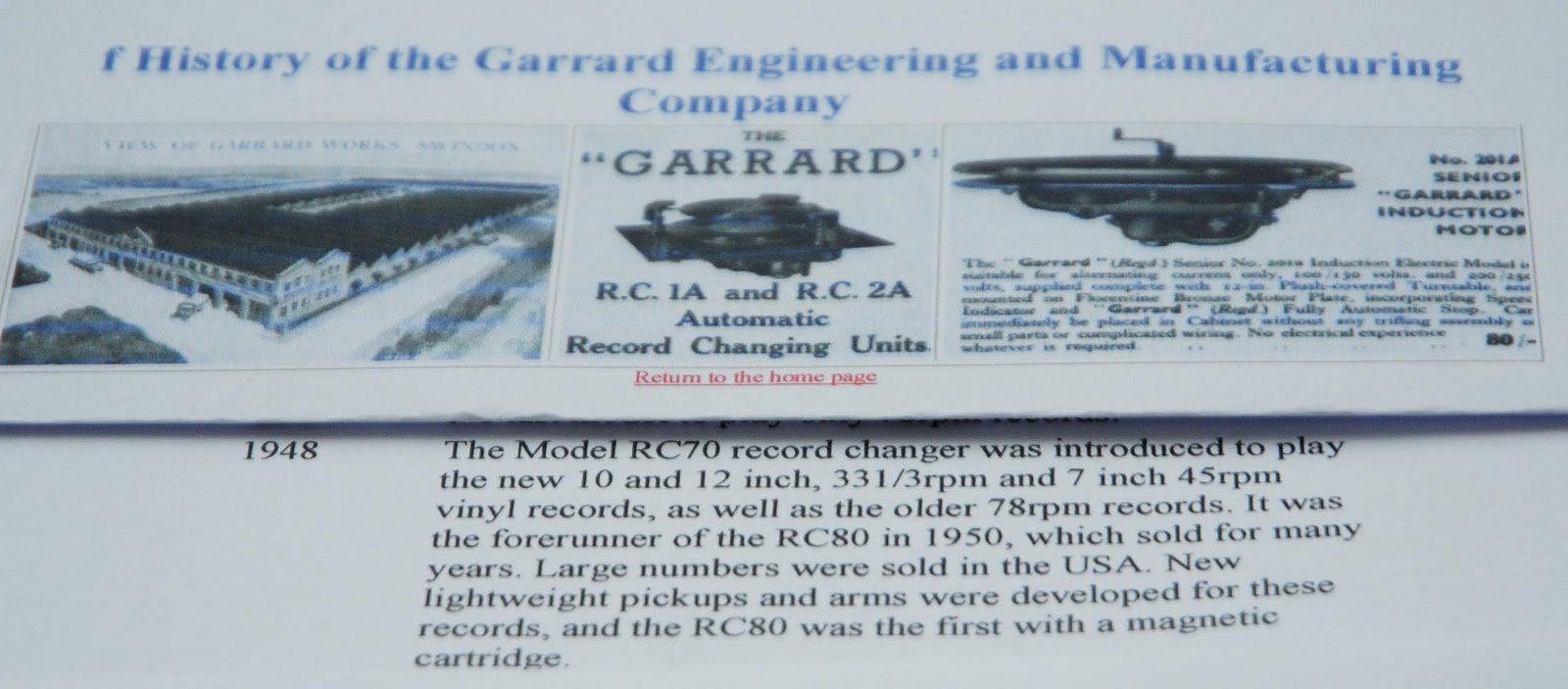 MY Classic : Radio pick up Garrard Soldhttps://blogger.googleusercontent.com/img/b/R29vZ2xl/AVvXsEgnghoZiz9uZFSA0z7MSaWJokBR47tlFZXrSg7KS0FP69wugmNRBZWBuWoxttgLWkx6T1EFHwp99zGzm0m__ZjkzP5zWCTkmLpjOrrSz1j5kN-mxfVwtFuVkyH41RZpD4AZPpYPGS2I_U2-/s1600/garrard.jpg
Garrard Engineering and Manufacturing Company antique phonograph
The phonograph is a device invented in 1877 for the mechanical tracking and reproduction of audio. In its later forms it is also called a gramophone (as a trademark since 1887, as a generic name since c. 1900). The sound vibration waveforms are noted as related physical deviations of the spiral groove imprinted, etched, incised, or impressed in to the surface of any revolving cylinder or disk, called a "record". To recreate the audio, the top is in the same way rotated while a playback stylus traces the groove and it is therefore vibrated by it, very faintly reproducing the registered sound. In early acoustic phonographs, the stylus vibrated a diaphragm which produced sound waves which were coupled to the open air via a flaring horn, or directly to the listener's ears through stethoscope-type earphones. In later electric phonographs (also known as record players (since 1940s) or, lately, turntables), the motions of the stylus are changed into an analogous electronic signal by way of a transducer, then changed back into sound by the loudspeaker.
The phonograph was developed in 1877 by Thomas Edison. While other inventors possessed produced devices that may record tones, Edison's phonograph was the first ever to be able to reproduce the registered sound. His phonograph formerly recorded sound onto a tinfoil sheet twisted around a rotating cylinder. A stylus responding to sensible vibrations produced an along or hill-and-dale groove in the foil. Alexander Graham Bell's Volta Laboratory made several improvements in the 1880s, including the use of wax-coated cardboard cylinders, and a cutting stylus that moved laterally in a "zig zag" groove across the record.
Inside the 1890s, Emile Berliner initiated the change from phonograph cylinders to chiseled discs with a spiral groove operating from the periphery to near the center. Later advancements through the entire years included alterations to the turntable and its drive system, the stylus or needle, and the equalization and sound systems.
The disk phonograph record was the dominating audio taking format throughout the majority of the 20th century. In the mid-1980s on, phonograph use on a standard record player declined sharply because of the rise of the cassette tape, compact disk and other digital taking formats. Data are still a well liked format for some audiophiles and DJs. Vinyl records are used by some DJs and musicians in their concert performances still. Musicians continue steadily to release their recordings on vinyl records. The initial recordings of music artists are occasionally re-issued on vinyl.
Using terminology is not homogeneous across the English-speaking world (see below). In newer usage, the playback device is often called a "turntable", "record player", or "record changer". When used in conjunction with a mixer within a DJ set up, turntables tend to be called "decks".
The term phonograph ("sound writing") was produced from the Greek words ???? (phon?, "sound" or "voice") and ????? (graph?, "writing"). The similar related conditions gramophone (from the Greek ?????? gramma "letter" and ???? ph?n? "words") and graphophone have similar root meanings. The roots were already familiar from existing 19th-century words such as photo ("light writing"), telegraph ("distant writing"), and cell phone ("distant sound"). The new term may have been affected by the prevailing words phonographic and phonography, which described a system of phonetic shorthand; in 1852 The New York Times carried an advertisements for "Professor Webster's phonographic class", and in 1859 the New York State Teachers Association tabled a action to "employ a phonographic recorder" to record its meetings.
Probably, any device used to track record audio or reproduce recorded sound could be called a kind of "phonograph", but in common practice the word has come to indicate ancient systems of sound tracking, involving audio-frequency modulations of an physical trace or groove.
In the past due 19th and early on 20th ages, "Phonograph", "Gramophone", "Graphophone", "Zonophone" and the like were still brand names specific to various designers of sometimes completely different (i.e. cylinder and disc) machines; so appreciable use was made of the common term "talking machine", in print especially. "Talking machine" had earlier been used to refer to complicated devices which produced a crude imitation of speech, by simulating the workings of the vocal cords, tongue, and lips - a potential source of confusion both then and today.
In British English, "gramophone" may make reference to any sound-reproducing machine using disc records, which were popularized and created in the UK by the Gramophone Company. Originally, "gramophone" was a proprietary trademark of that company and any use of the name by competing makers of disc records was vigorously prosecuted in the courts, but in 1910 an English court decision decreed it had turn into a generic term; it's been so used in the united kingdom & most Commonwealth countries since. The term "phonograph" was usually restricted to machines which used cylinder records.
"Gramophone" generally described a wind-up machine. After the introduction of the softer vinyl fabric information, 33 1/3-rpm LPs (long-playing information) and 45-rpm "single" or two-song details, and EPs (extended-play recordings), the normal name became "record player" or "turntable". Usually the home record player was part of something that included a radio (radiogram) and, later, may also play audiotape cassettes. From about 1960, such a system began to certainly be a "hi-fi" (high-fidelity, monophonic) or a "stereo" (most systems being stereophonic by the mid-1960s).
In Australian British, "record player" was the term; "turntable" was a far more complex term; "gramophone" was limited to the old mechanised (i.e., wind-up) players; and "phonograph" was used such as British English.
ANTIQUE, 1919 BRUNSWICKBALKECOLLENDER CO. UPRIGHT VICTR for Sale
 http://images1.americanlisted.com/nlarge/antique-1919-brunswick-balke-collender-co-upright-victr-americanlisted_34334733.jpg
ANTIQUE, 1919 BRUNSWICKBALKECOLLENDER CO. UPRIGHT PHONOGRAPH for
 http://images1.americanlisted.com/nlarge/antique-1919-brunswick-balke-collender-co-upright-phonograph-americanlisted_34677413.jpg
Latest vinyl to cd transfer buy vinyl to cd transfer
 http://img.spintoband.com/pic/z1318fe4-200x200-1/phonograph_to_cd_series_f_61.jpg
2712 x 2229 gif 301kB, Figure 7 Map of 2008 Eclipse Path Through Asia
 http://eclipse.gsfc.nasa.gov/SEmono/TSE2008/TSE2008fig/TSE2008-fig03a.GIF
OIP.M3714bf273bf89415ed918a1bc667778co0
104E026D90E0C67D73F1949DA0CF789DF6263EE556http://antikbandung.blogspot.com/2011/11/radio-pick-up-garrard.html
Embed Our image to your website
ThumbnailImageEmbed Our image to a Forum
ThumbnailImage
MY Classic : Radio pick up Garrard Sold
 Antique Trunk Restoration Vintage Radio amp; Phonograph Restorationhttp://www.shenandoahrestoration.com/images/bolton6.JPG
Clearaudio Electronic antique phonograph
The phonograph is a device invented in 1877 for the mechanised duplication and taking of audio. In its later forms it is also called a gramophone (as a trademark since 1887, as a generic name since c. 1900). The sound vibration waveforms are noted as corresponding physical deviations of the spiral groove imprinted, etched, incised, or impressed into the surface of a revolving cylinder or disk, called a "record". To recreate the sound, the surface is in the same way rotated while a playback stylus traces the groove and it is therefore vibrated because of it, very faintly reproducing the documented audio. In early acoustic phonographs, the stylus vibrated a diaphragm which produced sound waves that have been coupled to the open air through the flaring horn, or directly to the listener's ears through stethoscope-type earphones. In later electric phonographs (also known as record players (since 1940s) or, lately, turntables), the motions of the stylus are changed into an analogous electronic signal by the transducer, then altered back to audio by a loudspeaker.
The phonograph was created in 1877 by Thomas Edison. While other inventors got produced devices which could record looks, Edison's phonograph was the first to have the ability to reproduce the recorded sound. His phonograph formerly recorded sound onto a tinfoil sheet twisted around a rotating cylinder. A stylus responding to sensible vibrations produced an along or hill-and-dale groove in the foil. Alexander Graham Bell's Volta Laboratory made several improvements in the 1880s, like the use of wax-coated cardboard cylinders, and a cutting stylus that moved from side to side in a "zig zag" groove surrounding the record.
In the 1890s, Emile Berliner initiated the move from phonograph cylinders to chiseled discs with a spiral groove working from the periphery to near to the center. Later improvements through the entire years included adjustments to the turntable and its drive system, the stylus or needle, and the sound and equalization systems.
The disk phonograph record was the dominating audio recording format throughout the majority of the 20th hundred years. From the mid-1980s on, phonograph use on a standard record player declined as a result of rise of the cassette tape sharply, compact disk and other digital recording formats. Files are a favorite format for a few audiophiles and DJs still. Vinyl records are still utilized by some DJs and musicians in their concert performances. Musicians continue to release their recordings on vinyl records. The original recordings of musicians are occasionally re-issued on vinyl fabric.
Usage of terminology is not homogeneous across the English-speaking world (see below). In newer usage, the playback device is categorised as a "turntable", "record player", or "record changer". When found in conjunction with a mixing machine within a DJ installation, turntables tend to be called "decks".
The term phonograph ("sound writing") was derived from the Greek words ???? (phon?, "sound" or "voice") and ????? (graph?, "writing"). The similar related terms gramophone (from the Greek ?????? gramma "letter" and ???? ph?n? "speech") and graphophone have similar main meanings. The root base were already familiar from existing 19th-century words such as picture ("light writing"), telegraph ("distant writing"), and mobile phone ("distant sound"). The brand new term may have been affected by the prevailing words phonographic and phonography, which described something of phonetic shorthand; in 1852 THE BRAND NEW York Times taken an advertising campaign for "Professor Webster's phonographic class", and in 1859 the brand new York State Professors Relationship tabled a motion to "employ a phonographic recorder" to track record its meetings.
Arguably, any device used to track record sound or reproduce documented sound could be called a kind of "phonograph", however in common practice the portrayed expression has come to mean historic systems of sound documenting, regarding audio-frequency modulations of the physical trace or groove.
In the late 19th and early on 20th decades, "Phonograph", "Gramophone", "Graphophone", "Zonophone" and so on were still brand names specific to various creators of sometimes very different (i.e. cylinder and disc) machines; so considerable use was made of the general term "talking machine", especially in print. "Talking machine" had earlier been used to refer to complicated devices which produced a crude imitation of speech, by simulating the workings of the vocal cords, tongue, and lips - a potential way to obtain confusion both then and now.
In British English, "gramophone" may refer to any sound-reproducing machine using disc records, that have been introduced and popularized in the UK by the Gramophone Company. Originally, "gramophone" was a proprietary trademark of that company and any use of the name by competing makers of disc records was vigorously prosecuted in the courts, but in 1910 an English court decision decreed that it had turn into a generic term; it's been so used in the UK & most Commonwealth countries since. The term "phonograph" was usually restricted to machines that used cylinder records.
"Gramophone" generally referred to a wind-up machine. Following the release of the softer vinyl fabric data, 33 1/3-rpm LPs (long-playing documents) and 45-rpm "single" or two-song details, and EPs (extended-play recordings), the normal name became "record player" or "turntable". Usually the home record player was part of a system that included a radio (radiogram) and, later, might play audiotape cassettes also. From about 1960, such something began to be described as a "hi-fi" (high-fidelity, monophonic) or a "stereo" (most systems being stereophonic by the mid-1960s).
In Australian English, "record player" was the term; "turntable" was a far more technological term; "gramophone" was restricted to the old mechanical (i.e., wind-up) players; and "phonograph" was used as with British English.
Misc. Equipment Antique Silvertone Truphonic Hand Crank Phonograph
 http://www.surplusindustrialsupply.com/media/catalog/product/cache/1/image/9df78eab33525d08d6e5fb8d27136e95/M/I/MIS2861C_3.JPG
Antique Phonograph Online Shopping/Buy Low Price Antique Phonograph
 http://g03.a.alicdn.com/kf/HTB1QFhUKFXXXXcqXXXXq6xXFXXXI/Cast-Iron-font-b-Phonograph-b-font-Model-Heavy-Metal-font-b-Antique-b-font-Replica.jpg
Vintage Record Player Lindstrom Electric Phonograph Model 777 Record
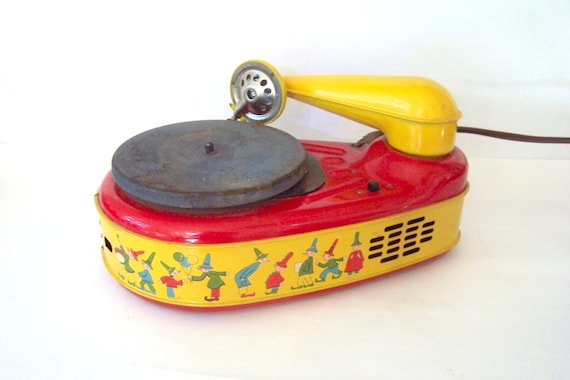 https://img0.etsystatic.com/064/0/8039507/il_570xN.795785190_4obx.jpg
Museum of Antique Electronics amp; Phonographs MacauHoliday Travel
 http://www.macauholiday.com/image-files/phonograph-museum-868.jpg
OIP.M0d15113b91d60454e620b6254a1ec14eo0
101CFFB76761899F2C80570CDB3E532626FCEAE75Ahttp://prorestorers.org/shops/ShenandoahRestoration.htm
Embed Our image to your website
ThumbnailImageEmbed Our image to a Forum
ThumbnailImage
Antique Trunk Restoration Vintage Radio amp; Phonograph Restoration
 Antique Zenith Cobramatic Record Player Radio Cabinet Excellenthttp://www.collectibleentertainmentprops.com/gif/252219235556_1.jpg
analogueworks antique phonograph
The phonograph is a device created in 1877 for the mechanised duplication and taking of audio. In its later forms it is also called a gramophone (as a trademark since 1887, as a generic name since c. 1900). The sound vibration waveforms are recorded as corresponding physical deviations of any spiral groove etched, etched, incised, or impressed into the surface of an revolving disc or cylinder, called a "record". To recreate the audio, the top is in the same way rotated while a playback stylus traces the groove and is also therefore vibrated because of it, very reproducing the registered audio faintly. In early acoustic phonographs, the stylus vibrated a diaphragm which produced sound waves that have been coupled to the open air by having a flaring horn, or directly to the listener's ears through stethoscope-type earphones. In later electric phonographs (also known as record players (since 1940s) or, most recently, turntables), the movements of the stylus are changed into an analogous electrical power signal by a transducer, changed back to audio by the loudspeaker then.
The phonograph was developed in 1877 by Thomas Edison. While other inventors acquired produced devices that could record may seem, Edison's phonograph was the first to be able to reproduce the registered sound. His phonograph originally recorded sound onto a tinfoil sheet wrapped around a revolving cylinder. A stylus responding to reasonable vibrations produced an along or hill-and-dale groove in the foil. Alexander Graham Bell's Volta Laboratory made several improvements in the 1880s, including the use of wax-coated cardboard cylinders, and a cutting stylus that moved laterally in a "zig zag" groove about the record.
In the 1890s, Emile Berliner initiated the move from phonograph cylinders to chiseled discs with a spiral groove jogging from the periphery to close to the center. Later advancements through the full years included improvements to the turntable and its drive system, the needle or stylus, and the equalization and audio systems.
The disc phonograph record was the prominent audio saving format throughout most of the 20th hundred years. Through the mid-1980s on, phonograph use on a standard record player declined because of the rise of the cassette tape sharply, compact disc and other digital taking formats. Documents are still a well liked format for a few audiophiles and DJs. Vinyl records are still utilized by some DJs and musicians in their concert performances. Musicians continue to release their recordings on vinyl records. The original recordings of music artists are re-issued on vinyl fabric sometimes.
Using terminology is not uniform across the English-speaking world (see below). In more modern usage, the playback device is often called a "turntable", "record player", or "record changer". When found in conjunction with a mixing machine as part of a DJ set up, turntables tend to be called "decks".
The word phonograph ("sound writing") was derived from the Greek words ???? (phon?, "sound" or "voice") and ????? (graph?, "writing"). The similar related conditions gramophone (from the Greek ?????? gramma "notice" and ???? ph?n? "words") and graphophone have similar root meanings. The roots were already familiar from existing 19th-century words such as photograph ("light writing"), telegraph ("distant writing"), and telephone ("distant sound"). The new term might have been affected by the existing words phonographic and phonography, which described something of phonetic shorthand; in 1852 THE BRAND NEW York Times taken an advertising campaign for "Professor Webster's phonographic class", and in 1859 the brand new York State Instructors Relationship tabled a movement to "hire a phonographic recorder" to track record its meetings.
Arguably, any device used to record audio or reproduce saved sound could be called a kind of "phonograph", however in common practice the expressed phrase has come to indicate historic technology of audio documenting, involving audio-frequency modulations of a physical groove or track.
In the later 19th and early on 20th ages, "Phonograph", "Gramophone", "Graphophone", "Zonophone" and the like were still brand names specific to various designers of sometimes completely different (i.e. cylinder and disc) machines; so sizeable use was manufactured from the common term "talking machine", in print especially. "Talking machine" had earlier been used to make reference to complicated devices which produced a crude imitation of speech, by simulating the workings of the vocal cords, tongue, and lips - a potential source of confusion both then and today.
In British English, "gramophone" may make reference to any sound-reproducing machine using disk records, that have been popularized and released in the UK by the Gramophone Company. Originally, "gramophone" was a proprietary trademark of this company and any use of the name by competing makers of disc records was vigorously prosecuted in the courts, however in 1910 an English court decision decreed that this had turn into a generic term; it's been so used in the UK and most Commonwealth countries since. The term "phonograph" was usually limited to machines that used cylinder records.
"Gramophone" generally referred to a wind-up machine. After the introduction of the softer vinyl fabric information, 33 1/3-rpm LPs (long-playing records) and 45-rpm "single" or two-song data, and EPs (extended-play recordings), the common name became "record player" or "turntable". Often the home record player was part of something that included a radio (radiogram) and, later, might also play audiotape cassettes. From about 1960, such a system began to certainly be a "hi-fi" (high-fidelity, monophonic) or a "stereo" (most systems being stereophonic by the mid-1960s).
In Australian British, "record player" was the term; "turntable" was a more technical term; "gramophone" was restricted to the old mechanical (i.e., wind-up) players; and "phonograph" was used such as British English.
Edison Diamond Disc Phonograph Model C150 and antique sewing machine
 http://i659.photobucket.com/albums/uu315/cuder_photos/DSC01752.jpg
Series regulators, mechanically vary phase of buck/boost winding.
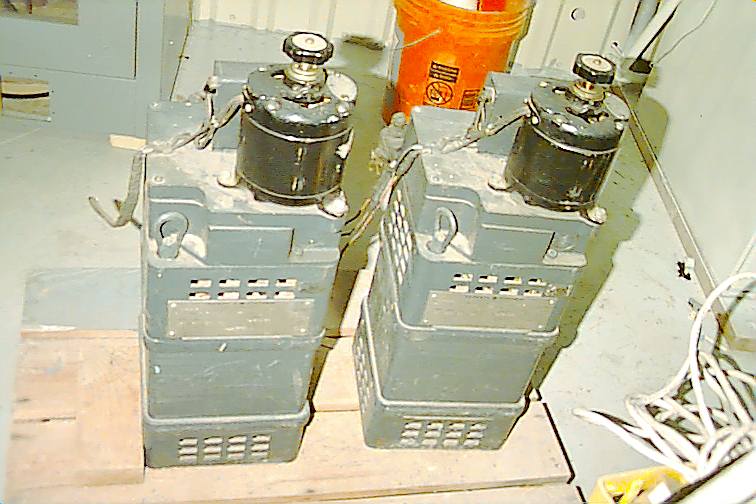 https://www.montagar.com/~patj/ge_regulators.jpg
Trpac500 Adaptor For Transistor Radio Phonograph 110117v To 9v
 http://www.antiquefurnitureforthehome.com/png/111827248155_1.jpg
Working Vintage For Sale
 http://www.rareantiquefurniturecollectorstore.com/thumbnail/160707519143_1.jpg
OIP.Mfd027df61598b4ceeefd7e4b832139bbo0
434A8EB882EAB264E5134756359C54763D04236FAhttp://collectibleentertainmentprops.com/record-player-45-rpm/phonograph-record.html
Embed Our image to your website
ThumbnailImageEmbed Our image to a Forum
ThumbnailImage
Antique Zenith Cobramatic Record Player Radio Cabinet Excellent
 PLL FM STEREO/AM Digital Radio RC316USB China Radio,Digital Radiohttp://upload.wikimedia.org/wikipedia/commons/e/e4/Amplituner_stereo_C_715_firmy_NAD.jpg
NAD Electronics antique phonograph
The phonograph is a tool created in 1877 for the mechanical tracking and reproduction of sound. In its later forms it is also called a gramophone (as a trademark since 1887, as a generic name since c. 1900). The sound vibration waveforms are saved as matching physical deviations of your spiral groove imprinted, etched, incised, or impressed into the surface of a revolving disc or cylinder, called a "record". To recreate the sound, the top is similarly rotated while a playback stylus traces the groove and is therefore vibrated by it, very reproducing the noted sound faintly. In early acoustic phonographs, the stylus vibrated a diaphragm which produced sound waves that have been coupled to the open air via a flaring horn, or directly to the listener's ears through stethoscope-type earphones. In later electric phonographs (also known as record players (since 1940s) or, most recently, turntables), the movements of the stylus are converted into an analogous electrical power signal with a transducer, then changed back into audio by a loudspeaker.
The phonograph was invented in 1877 by Thomas Edison. While other inventors possessed produced devices that can record may seem, Edison's phonograph was the first to be able to reproduce the registered audio. His phonograph formerly recorded sound onto a tinfoil sheet covered around a spinning cylinder. A stylus giving an answer to sound vibrations produced an and down or hill-and-dale groove in the foil up. Alexander Graham Bell's Volta Laboratory made several improvements in the 1880s, including the use of wax-coated cardboard cylinders, and a cutting stylus that moved from side to side in a "zig zag" groove surrounding the record.
Within the 1890s, Emile Berliner initiated the transition from phonograph cylinders to even discs with a spiral groove jogging from the periphery to near the center. Later advancements through the entire years included improvements to the turntable and its drive system, the needle or stylus, and the equalization and audio systems.
The disc phonograph record was the dominant audio recording format throughout the majority of the 20th century. Through the mid-1980s on, phonograph use on a standard record player declined due to rise of the cassette tape sharply, compact disc and other digital taking formats. Documents remain a favorite format for some audiophiles and DJs. Vinyl records are being used by some DJs and musicians in their concert performances still. Musicians continue steadily to release their recordings on vinyl records. The initial recordings of musicians are occasionally re-issued on vinyl fabric.
Using terminology is not uniform over the English-speaking world (see below). In newer usage, the playback device is called a "turntable", "record player", or "record changer". When found in conjunction with a mixer as part of a DJ set up, turntables tend to be called "decks".
The term phonograph ("sound writing") was produced from the Greek words ???? (phon?, "sound" or "voice") and ????? (graph?, "writing"). The similar related terms gramophone (from the Greek ?????? gramma "notice" and ???? ph?n? "voice") and graphophone have similar root meanings. The roots were already familiar from existing 19th-century words such as photo ("light writing"), telegraph ("distant writing"), and mobile phone ("distant sound"). The new term may have been inspired by the prevailing words phonographic and phonography, which referred to a system of phonetic shorthand; in 1852 The New York Times taken an advertising campaign for "Professor Webster's phonographic class", and in 1859 the brand new York State Teachers Connection tabled a action to "hire a phonographic recorder" to track record its meetings.
Probably, any device used to record sound or reproduce saved audio could be called a kind of "phonograph", but in common practice the indicated term has come to imply ancient solutions of audio saving, affecting audio-frequency modulations of a physical track or groove.
In the late 19th and early on 20th ages, "Phonograph", "Gramophone", "Graphophone", "Zonophone" and so on were still brands specific to various designers of sometimes completely different (i.e. cylinder and disk) machines; so appreciable use was made of the generic term "talking machine", in print especially. "Talking machine" had earlier been used to refer to complicated devices which produced a crude imitation of speech, by simulating the workings of the vocal cords, tongue, and lips - a potential way to obtain confusion both then and now.
In British English, "gramophone" may make reference to any sound-reproducing machine using disc records, which were popularized and created in the united kingdom by the Gramophone Company. Originally, "gramophone" was a proprietary trademark of this company and any use of the name by competing makers of disc records was vigorously prosecuted in the courts, but in 1910 an English court decision decreed it had turn into a generic term; it has been so used in the united kingdom and most Commonwealth countries since. The word "phonograph" was usually restricted to machines that used cylinder records.
"Gramophone" generally described a wind-up machine. After the introduction of the softer vinyl fabric data, 33 1/3-rpm LPs (long-playing files) and 45-rpm "single" or two-song records, and EPs (extended-play recordings), the normal name became "record player" or "turntable". Often the home record player was part of something that included a radio (radiogram) and, later, might also play audiotape cassettes. From about 1960, such a system began to certainly be a "hi-fi" (high-fidelity, monophonic) or a "stereo" (most systems being stereophonic by the mid-1960s).
In Australian English, "record player" was the term; "turntable" was a more specialized term; "gramophone" was restricted to the old mechanical (i.e., wind-up) players; and "phonograph" was used such as British English.
File:Festival First Stereo Receiver.jpg Wikipedia, the free
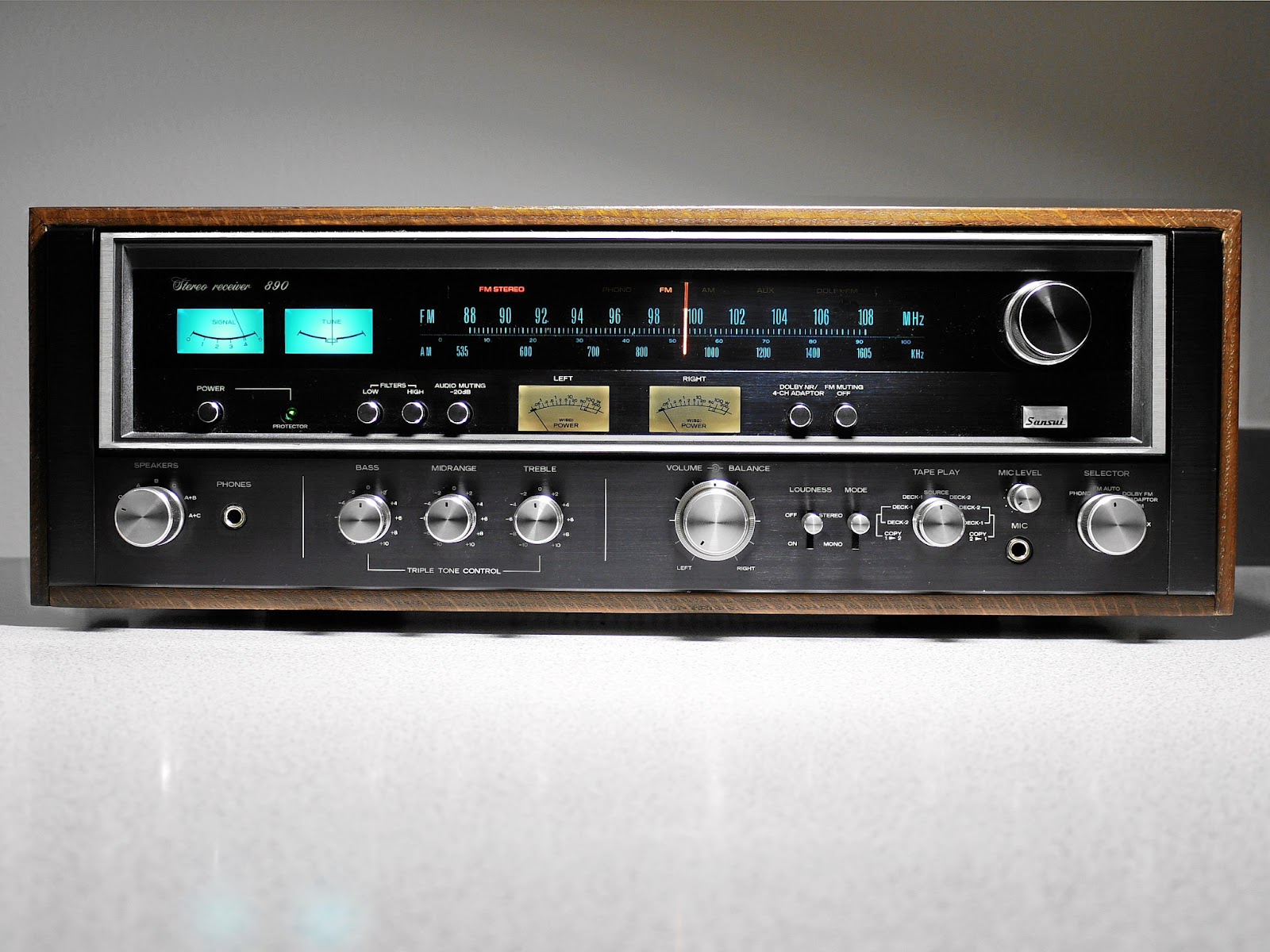 https://blogger.googleusercontent.com/img/b/R29vZ2xl/AVvXsEiK_9IYtgjJFD0W_Nsq3vh6zanCNFstxBy7R1_tgmWAXd_IaOX0hlTDcJ_Lj3ZM5aE4CVZSIQ9rsnBv_TSy1wdIdX0s4hM9R3kZpZA_FkWQcxOGDBdsHPp1Vp3JIJZzzFt9z1-hS1gmh0qU/s1600/Sansui+890+Stereo+Receiver.jpg
Audio Systems on Pinterest Audiophile, Audio and Turntable
 https://s-media-cache-ak0.pinimg.com/236x/7b/22/35/7b223504bf7ef1860302d3f3cd5cfc91.jpg
Just quot;Googlequot; Search for quot;Pinterestquot; Pinterest.com an
 http://cdn.simplesite.com/i/70/cb/284008258427603824/i284008264494715511._szw565h2600_.jpg
OIP.Mcb763e2cf7bba10d8cdd35d69d79ad6do0
7F392B369B75327BFEC180E599C9E721960D79225http://dict.space.4goo.net/dict?q=stereo
Embed Our image to your website
ThumbnailImageEmbed Our image to a Forum
ThumbnailImage
PLL FM STEREO/AM Digital Radio RC316USB China Radio,Digital Radio
 Braun Sk 55 Dieter Rams Design Tube Radio Hans Gugelot Radiogramhttp://www.collectibleentertainmentprops.com/gif/191753946905_1.jpg
analogueworks antique phonograph
The phonograph is a tool developed in 1877 for the mechanised tracking and reproduction of sound. In its later forms it is also called a gramophone (as a trademark since 1887, as a generic name since c. 1900). The audio vibration waveforms are registered as related physical deviations of a spiral groove imprinted, etched, incised, or impressed in to the surface of an revolving cylinder or disc, called a "record". To recreate the sound, the surface is in the same way rotated while a playback stylus traces the groove and is therefore vibrated because of it, very faintly reproducing the registered sound. In early acoustic phonographs, the stylus vibrated a diaphragm which produced sound waves that have been coupled to the open air via a flaring horn, or right to the listener's ears through stethoscope-type earphones. In later electric phonographs (also called record players (since 1940s) or, lately, turntables), the motions of the stylus are converted into an analogous electronic signal by way of a transducer, converted back into audio with a loudspeaker then.
The phonograph was invented in 1877 by Thomas Edison. While other inventors experienced produced devices that can record sounds, Edison's phonograph was the first ever to be able to reproduce the recorded sound. His phonograph originally recorded sound onto a tinfoil sheet covered around a revolving cylinder. A stylus responding to acoustics vibrations produced an along or hill-and-dale groove in the foil. Alexander Graham Bell's Volta Laboratory made several improvements in the 1880s, including the use of wax-coated cardboard cylinders, and a cutting stylus that moved from side to side in a "zig zag" groove surrounding the record.
In the 1890s, Emile Berliner initiated the changeover from phonograph cylinders to level discs with a spiral groove jogging from the periphery to near to the center. Later advancements over time included adjustments to the turntable and its drive system, the needle or stylus, and the equalization and sound systems.
The disc phonograph record was the dominant audio saving format throughout most of the 20th century. From the mid-1980s on, phonograph use on a standard record player declined as a result of rise of the cassette tape sharply, compact disc and other digital recording formats. Documents remain a well liked format for some audiophiles and DJs. Vinyl records are still utilized by some DJs and musicians in their concert performances. Musicians continue steadily to release their recordings on vinyl records. The original recordings of music artists are occasionally re-issued on vinyl fabric.
Using terminology is not uniform over the English-speaking world (see below). In more modern usage, the playback device is often called a "turntable", "record player", or "record changer". When found in conjunction with a mixer within a DJ setup, turntables tend to be called "decks".
The word phonograph ("sound writing") was produced from the Greek words ???? (phon?, "sound" or "voice") and ????? (graph?, "writing"). The similar related terms gramophone (from the Greek ?????? gramma "notice" and ???? ph?n? "tone of voice") and graphophone have similar main meanings. The roots were already familiar from existing 19th-century words such as picture ("light writing"), telegraph ("distant writing"), and cell phone ("distant sound"). The brand new term might have been inspired by the prevailing words phonographic and phonography, which described a system of phonetic shorthand; in 1852 The New York Times transported an advertisements for "Professor Webster's phonographic class", and in 1859 the New York State Educators Relationship tabled a action to "employ a phonographic recorder" to track record its meetings.
Arguably, any device used to track record audio or reproduce noted audio could be called a kind of "phonograph", however in common practice the word has come to mean historical technology of acoustics taking, involving audio-frequency modulations of your physical trace or groove.
In the overdue 19th and early on 20th centuries, "Phonograph", "Gramophone", "Graphophone", "Zonophone" and so on were still brands specific to various producers of sometimes completely different (i.e. cylinder and disc) machines; so significant use was made of the universal term "talking machine", especially in print. "Talking machine" had earlier been used to make reference to complicated devices which produced a crude imitation of speech, by simulating the workings of the vocal cords, tongue, and mouth - a potential way to obtain dilemma both and now then.
In British English, "gramophone" may refer to any sound-reproducing machine using disc records, that have been popularized and released in the UK by the Gramophone Company. Originally, "gramophone" was a proprietary trademark of that company and any use of the name by competing makers of disc records was vigorously prosecuted in the courts, however in 1910 an English court decision decreed so it had become a generic term; it's been so used in the united kingdom and most Commonwealth countries ever since. The word "phonograph" was usually limited to machines that used cylinder records.
"Gramophone" generally described a wind-up machine. Following the advantages of the softer vinyl fabric files, 33 1/3-rpm LPs (long-playing data) and 45-rpm "single" or two-song information, and EPs (extended-play recordings), the normal name became "record player" or "turntable". Usually the home record player was part of something that included a radio (radiogram) and, later, might also play audiotape cassettes. From about 1960, such something began to be described as a "hi-fi" (high-fidelity, monophonic) or a "stereo" (most systems being stereophonic by the mid-1960s).
In Australian English, "record player" was the word; "turntable" was a more technological term; "gramophone" was restricted to the old mechanical (i.e., wind-up) players; and "phonograph" was used just as British English.
Antique Wood Edison Standard Phonograph Record Player With Cover Works
 http://www.gogogretchen.com/file/251933005053_1.jpg
43cm Brown Record Player Vinyl Machine Gramophone Vintage Phonograph
 http://www.gogogretchen.com/file/131552112866_1.jpg
: Repair Drive Belt Use Duct Tape Phonograph Cassette 8track etc
 https://i.ytimg.com/vi/TKuAYPI6T9c/mqdefault.jpg
Russian Soviet Urss Tube Radio Zvezda 54 Analog French Snr Excelsior
 http://www.currieupholstery.com/thumbnail/112134327947_1.jpg
OIP.Mcd6532c0d4851bf3758d4164e4c5787fo0
734A8EB882EAB264E5134A47678BF3EAD7D0283B8http://collectibleentertainmentprops.com/record-player-45-rpm/phonograph-record.html
Embed Our image to your website
ThumbnailImageEmbed Our image to a Forum
ThumbnailImage
Braun Sk 55 Dieter Rams Design Tube Radio Hans Gugelot Radiogram
 Antique Trunk Restoration Vintage Radio amp; Phonograph Restorationhttp://www.shenandoahrestoration.com/images/browning1.jpg
Clearaudio Electronic antique phonograph
The phonograph is a device developed in 1877 for the mechanised duplication and tracking of audio. In its later forms it is also called a gramophone (as a trademark since 1887, as a generic name since c. 1900). The sound vibration waveforms are recorded as corresponding physical deviations of a spiral groove etched, etched, incised, or impressed in to the surface of an revolving cylinder or disk, called a "record". To recreate the sound, the top is similarly rotated while a playback stylus traces the groove and it is therefore vibrated by it, very faintly reproducing the documented sound. In early acoustic phonographs, the stylus vibrated a diaphragm which produced sound waves that have been coupled to the open air through the flaring horn, or right to the listener's ears through stethoscope-type earphones. In later electric phonographs (also known as record players (since 1940s) or, most recently, turntables), the movements of the stylus are changed into an analogous electric powered signal by the transducer, then converted back to sound by the loudspeaker.
The phonograph was invented in 1877 by Thomas Edison. While other inventors possessed produced devices that may record tones, Edison's phonograph was the first to be able to reproduce the registered sound. His phonograph originally recorded audio onto a tinfoil sheet twisted around a rotating cylinder. A stylus responding to sound vibrations produced an up and down or hill-and-dale groove in the foil. Alexander Graham Bell's Volta Laboratory made several improvements in the 1880s, including the use of wax-coated cardboard cylinders, and a cutting stylus that moved laterally in a "zig zag" groove round the record.
In the 1890s, Emile Berliner initiated the move from phonograph cylinders to even discs with a spiral groove working from the periphery to near the center. Later advancements through the entire years included adjustments to the turntable and its drive system, the stylus or needle, and the equalization and sound systems.
The disc phonograph record was the dominant audio tracking format throughout almost all of the 20th century. From your mid-1980s on, phonograph use on a standard record player declined sharply due to rise of the cassette tape, compact disk and other digital recording formats. Records are a popular format for a few audiophiles and DJs still. Vinyl records are used by some DJs and musicians in their concert performances still. Musicians continue to release their recordings on vinyl records. The original recordings of music artists are occasionally re-issued on vinyl.
Using terminology is not homogeneous over the English-speaking world (see below). In more modern usage, the playback device is often called a "turntable", "record player", or "record changer". When used in conjunction with a mixer within a DJ set up, turntables are often called "decks".
The word phonograph ("sound writing") was produced from the Greek words ???? (phon?, "sound" or "voice") and ????? (graph?, "writing"). The similar related terms gramophone (from the Greek ?????? gramma "letter" and ???? ph?n? "words") and graphophone have similar root meanings. The root base were already familiar from existing 19th-century words such as photograph ("light writing"), telegraph ("distant writing"), and cell phone ("distant sound"). The new term may have been inspired by the existing words phonographic and phonography, which referred to a system of phonetic shorthand; in 1852 The New York Times transported an ad for "Professor Webster's phonographic class", and in 1859 the brand new York State Teachers Association tabled a movement to "hire a phonographic recorder" to record its meetings.
Arguably, any device used to record audio or reproduce registered audio could be called a type of "phonograph", however in common practice the term has come to suggest historic technology of acoustics tracking, involving audio-frequency modulations of an physical trace or groove.
In the past due 19th and early on 20th ages, "Phonograph", "Gramophone", "Graphophone", "Zonophone" and the like were still brands specific to various makers of sometimes very different (i.e. cylinder and disk) machines; so substantial use was manufactured from the common term "talking machine", especially in print. "Talking machine" had earlier been used to make reference to complicated devices which produced a crude imitation of speech, by simulating the workings of the vocal cords, tongue, and mouth - a potential source of confusion both and now then.
In British English, "gramophone" may make reference to any sound-reproducing machine using disc records, that have been popularized and launched in the united kingdom by the Gramophone Company. Originally, "gramophone" was a proprietary trademark of this company and any use of the name by competing makers of disc records was vigorously prosecuted in the courts, however in 1910 an English court decision decreed that this had become a generic term; it has been so used in the UK and most Commonwealth countries ever since. The word "phonograph" was usually limited to machines that used cylinder records.
"Gramophone" generally described a wind-up machine. After the launch of the softer vinyl fabric records, 33 1/3-rpm LPs (long-playing documents) and 45-rpm "single" or two-song data, and EPs (extended-play recordings), the normal name became "record player" or "turntable". Often the home record player was part of a system that included a radio (radiogram) and, later, may also play audiotape cassettes. From about 1960, such a system began to certainly be a "hi-fi" (high-fidelity, monophonic) or a "stereo" (most systems being stereophonic by the mid-1960s).
In Australian British, "record player" was the word; "turntable" was a more complex term; "gramophone" was limited to the old mechanised (i.e., wind-up) players; and "phonograph" was used as with British English.
Used Antique Silvertone Truphonic Hand Crank Phonograph Record
 http://www.surplusindustrialsupply.com/media/catalog/product/cache/1/image/9df78eab33525d08d6e5fb8d27136e95/M/I/MIS2861A_3.JPG
Spear Products Vintage Electronic Phonograph Record Player Model 21 2
 http://thumbs.picclick.com/00/s/MTIwMFgxNjAw/z/eKUAAOSwgQ9V4dnm/$/Spear-Products-Vintage-Electronic-Phonograph-Record-Player-Model-_57.jpg
Misc. Equipment Antique Silvertone Truphonic Hand Crank Phonograph
 http://www.surplusindustrialsupply.com/media/catalog/product/cache/1/image/9df78eab33525d08d6e5fb8d27136e95/M/I/MIS2861F_3.JPG
Clearaudio Concept Mc Record Player Needle Concept Mc Premounted New
 http://www.collectiblesonlineshopping.com/pics/311708424446_1.jpg
OIP.M3c2deb4b199c85ed0660817275f2d8deo0
81CFFB76761899F2C80575CF2972AE28EA9176F41http://prorestorers.org/shops/ShenandoahRestoration.htm
Embed Our image to your website
ThumbnailImageEmbed Our image to a Forum
ThumbnailImage

